Wednesday, April 15, 2015

Time to Garden!

Ah, spring! The boredom that affects me when it's cold and I can't be outside is gone. Now, there is plenty to look at and plenty to do.


Our own little babbling brook, looking better as plants begin to come up around it. There is a lot of planting I need to do around the stream and pond. Many plants were removed last year for the creation of the waterfall, stream, pond, courtyard and pergola. Some that were relocated will come back; others will stay where they are now. I would like this area to be very colorful and thus will be adding zinnias and coreopsis and daisies.

Love the sound of the trickling water. Last night we left our bedroom window open and we could hear it. Very peaceful.


 Tortie, the outside cat, enjoys drinking from the pond. Dragonflies and birds are attracted to it as well.

This morning when I was out in the gardens, a turkey flew by me. He (or she) had been in the gardens but I didn't see where he came from. I'm guessing he was at the pond or under the birdfeeder.  That was the first time I've seen a turkey in the yard. Deer, opossums, birds, garter snakes, ground hogs, raccoons, cats - yes -even fox but never before a turkey.


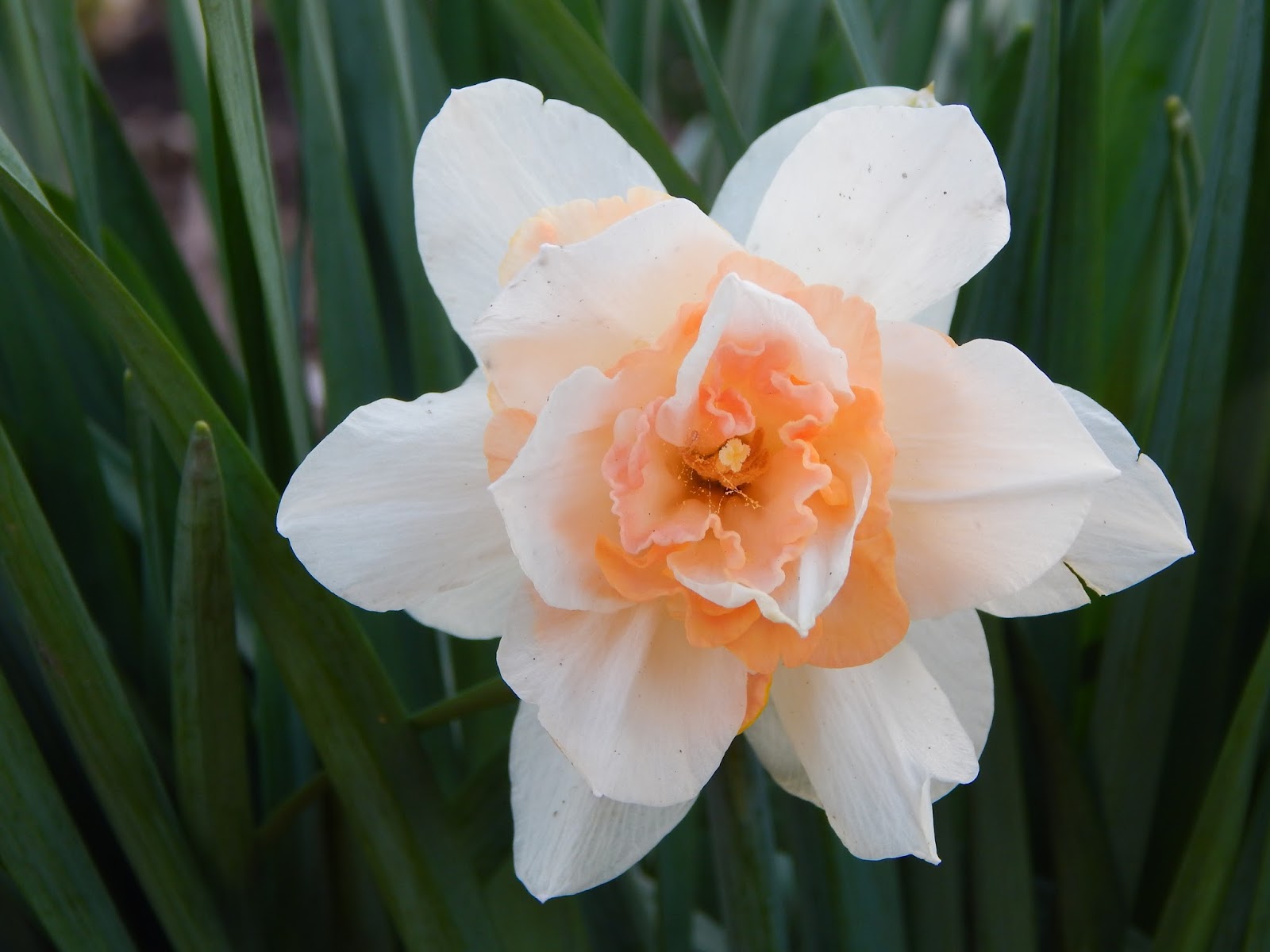
 An unusual daffodil


 Many tulips have begun to bloom and many will be blooming in the coming days and weeks.


 Tortie framed by tulips


 I adore tulips!


 I planted a few hundred grape hyacinth last fall. These are the first to bloom.


 Red-veined sorrel - so pretty - and EDIBLE too. It's a perennial.


 The creeping phlox is putting on a show now too.


Friday, March 6, 2015

Where history comes to life

Last evening, we had the pleasure of attending a historic dinner at Living History Farms.

Living History Farms offers historic dinners in the 1900's farmhouse (our choice), the Tangen House, and the Flynn mansion.

We met at the conference center, where we were met by Dave and a pair of Percheron horses.


 There were ten participants in dinner at the 1900's farmhouse. We had four in our group: my hubby and I, plus our son and daughter-in-law. We got a ride in a horse-drawn wagon up to the farmhouse.


 The farmhouse, the corn crib (granary), and the outbuildings. There is also a large red barn that I didn't get a photo of.


 Kelly (left) was our hostess, and Erin was the cook. This wood-burning stove heats the house and cooks most of the food. Some of the food had to be cooked in the basement in a commercial kitchen to meet restaurant regulations.

This is a working farm, with things being done the way they were done in the period. There are other period farms, a Victorian mansion, and an 1870's town at Living History Farms as well. It's a great place to visit May - October when activities are in full swing. The historic dinners are an October - March event.


 Here is the pantry, where you will notice canned pears from the orchard and tomatoes from the garden.


 A view of the kitchen


 Kerosene lanterns were throughout the house and lighting wasn't the best for photography.

We were served a meal of marinated pork loin, cooked apples and onions, brandied carrots, escalloped potatoes, escalloped corn and tomato casserole, yeast rolls, chocolate cake with cinnamon filling, and pumpkin pie. It was wonderful!


Wednesday, March 4, 2015

Our days will come!

Sooner or later, our days of beauty and warmth will come! I'm certain of it; I've lived for more than half a century and I've never lived through a year without a spring!

Past springs inspired me....

 A beautiful bouquet of lilacs graced my mantel one spring...I'd love to have another like this again.


 Virginia Bluebells, a native wildflower in my area that grows and spreads wonderfully in my gardens


 Tulips, my favorite spring flower


 Crocus - tiny but so appreciated


 Siberian squill is a spreader, but as pretty as this is, how can I complain?


 Beautiful magnolias in our neighborhood


 Violets come in a range of colors.


Violets are lovely, violets are edible, and, unfortunately, violets spread aggressively.  I do some violet pulling every year but still have some in the yard and gardens.

This was a preview of spring, from springs past.
It reminds me that Our days will come!
Welcome Spring!


Saturday, February 14, 2015

Gardening for Butterflies

It's cold outside, but in my heart it's almost summer...well, springtime, at least.
Seeds have been purchased and I'll be ordering shrubs, roses, and perennials soon.
As I think about flowers in my garden, I also think about the wildlife that benefit from my garden. Today it's butterflies that I want to talk about.

Last summer we had quite a few butterflies and it's not by accident. I garden for butterflies.


From the first three images below, you would think that that monarchs really like zinnias - and you would be correct!
In the Polk County Master Gardener's Discovery Garden at the Iowa State Fairgrounds, I captured this image and the one below. There were many monarchs there.


In my own garden - a favorite shot.


The butterflies spend a great deal of time on the Verbena bonariensis. Above is a female Eastern Tiger Swallowtail (I think). This website talks about yellow and dark colored Eastern Tiger Swallowtails. Images on the site show a butterfly that looks almost exactly like this one.


Another Eastern Tiger Swallowtail on the Verbena bonariensis. If you don't have this plant in your garden and you want to attract butterflies, I highly recommend it - it's a butterfly magnet!


 Here a monarch is enjoying Kiss-me-over-the-garden-gate (Persicaria Orientalis)


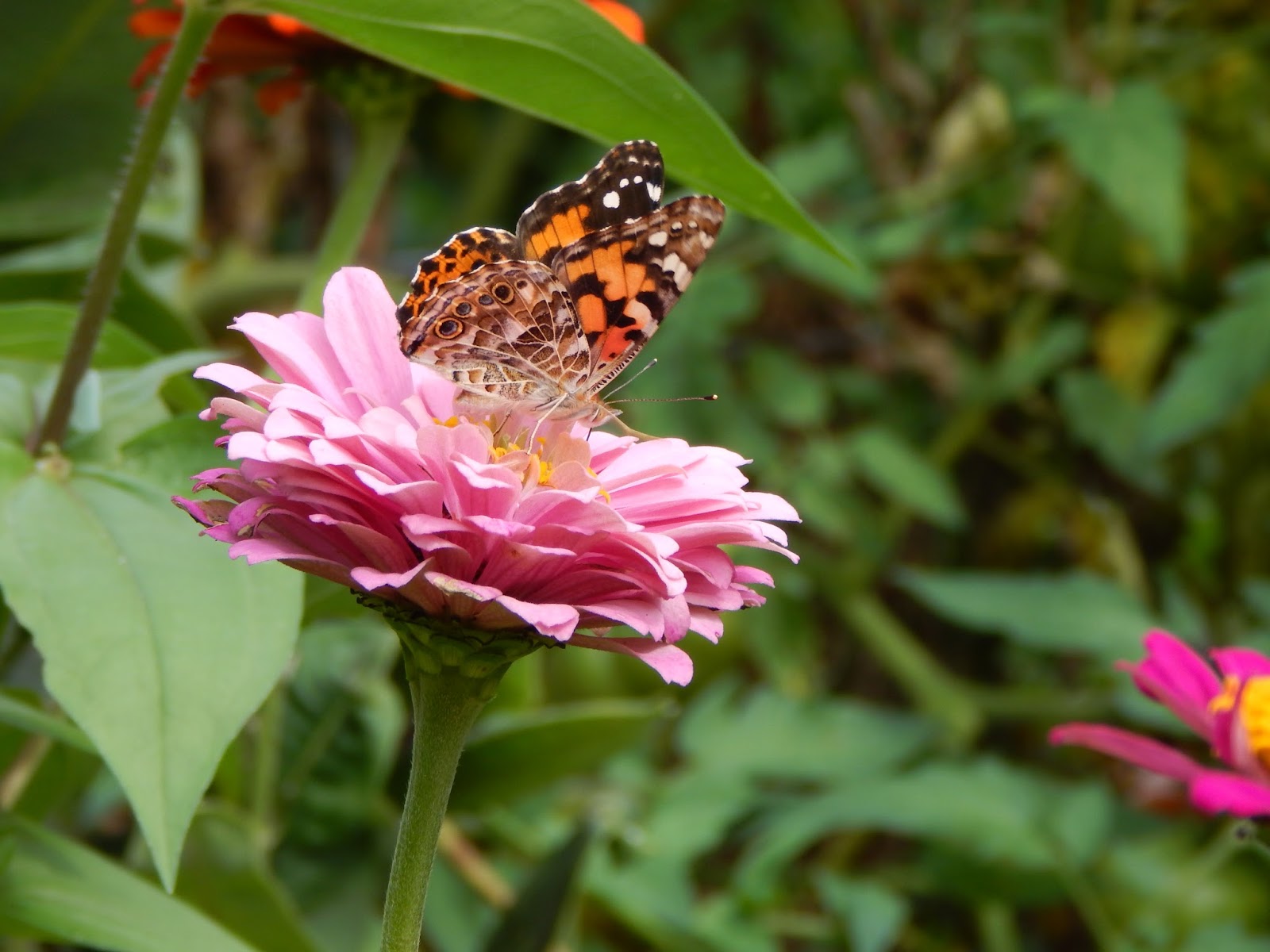
 I told you zinnias were popular with the (Painted) ladies! lol

To have true success attracting butterflies in your garden , you also need host plants; that is, plants where the females lay their eggs and the young hatch and grow.

 Milkweed is the host plant for monarchs. Above, two monarch caterpillars on common milkweed.


This is common milkweed in my garden


 Another type of milkweed, Asclepias tuberosa, commonly known as Butterfly Weed


 Asclepias incarnata, commonly known as Swamp milkweed, Red milkweed, Marsh milkweed, and Rose milkweed


I also grow host plants for Black Swallowtails. Their host plants include dill, fennel, Queen Anne's lace, parsley, and celery.

To be a good steward of your butterfly garden, avoid use of insecticides and plant native plants.


Happy Valentine's Day!


LinkWithin

Related Posts with Thumbnails